
For growing businesses in Leeds, choosing the right workspace is one of the most important decisions you can make. Should you go for a traditional leased office, or opt for a flexible office or coworking space such as st albions in leeds city centre?
In 2026, the answer depends on your team size, growth plans, and the type of environment that best supports productivity and collaboration. This guide breaks down the pros and cons of each option so you can make an informed choice.
Traditional Offices in Leeds: What You Need to Know
Traditional offices typically involve:
- Long-term leases (3–10 years)
- Upfront costs for rent, deposits, and fit-out
- Responsibility for utilities, furniture, and maintenance
Pros
- Full control over your office design and layout
- Privacy and exclusive use of the space
- Stability for long-term operations
Cons
- High upfront costs and ongoing overheads
- Less flexibility if your team grows or shrinks
- Time-consuming setup and management
In Leeds, leasing a traditional office for a medium-sized team (8–12 people) can cost £10,000–£25,000+ per year for rent alone, depending on location and building quality (comparetheoffices.com).
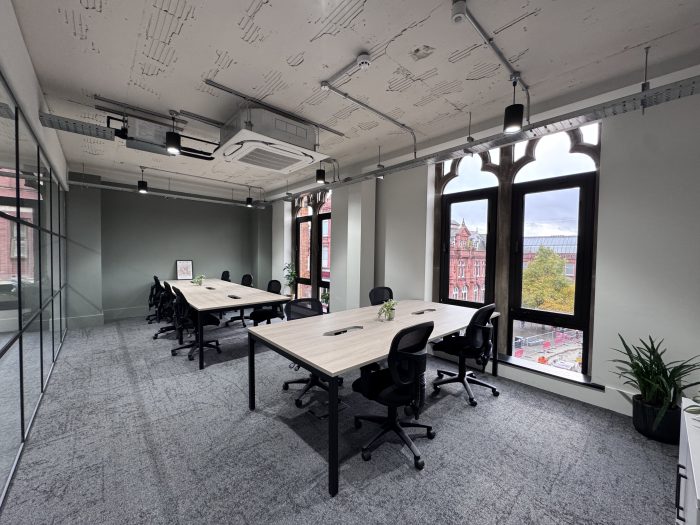
Flexible Offices & Coworking: A Modern Alternative
Flexible workspaces, including serviced offices and coworking, have surged in popularity in Leeds, particularly for growing teams.
Benefits of Flexible Offices
- Scalable Space
Flexible offices allow you to expand or reduce your office as your team changes. You only pay for the space you use. - All-Inclusive Pricing
Rent typically covers furniture, utilities, internet, meeting rooms, and cleaning. No hidden costs. - Move-In Ready
Your team can start working immediately without lengthy fit-outs or installations. - Community & Networking
Coworking spaces in Leeds often host events and workshops, helping businesses collaborate and grow (office-hub.com). - Central Location Access
Many flexible offices are in Leeds city centre, giving teams excellent transport links and access to clients.
Comparing Costs: Traditional vs Flexible in Leeds
| Feature | Traditional Office | Flexible / Serviced Office |
|---|---|---|
| Lease length | 3–10 years | Month-to-month or annual |
| Upfront costs | High | Low |
| Furnishing & IT | Your responsibility | Included |
| Meeting rooms | Your responsibility | Shared / included |
| Flexibility | Low | High |
| Cost for 8–12 people | £10,000–£25,000+ per year | £2,500–£4,000 per month |
Key takeaway: While the per-month cost of flexible offices may seem higher, they save money on setup, maintenance, and shared facilities, while offering far more flexibility for a growing team.
Who Should Choose Each Option?
Traditional Offices
- Teams with stable size and predictable growth
- Companies requiring private space or specific design/branding
- Businesses with capital for fit-out and long-term lease
Flexible Offices
- Growing teams that may scale quickly
- Startups and SMEs wanting predictable costs
- Businesses needing move-in-ready, fully equipped offices
Why Leeds is Ideal for Flexible Offices
Leeds has emerged as one of the UK’s top hubs for coworking and serviced offices:
- 50+ flexible office locations across the city (yorkshirepost.co.uk)
- Affordable pricing compared to London and Manchester
- Thriving business community in tech, finance, and creative industries
For many growing teams, flexible offices offer the perfect balance of location, cost, and scalability.
Explore Flexible Office Space in Central Leeds
If you’re considering a flexible office or coworking space for your team in Leeds, it’s worth checking out 2‑Work’s Central Leeds workspace.
It provides:
- private offices for teams of 8–12 people
- meeting rooms and collaboration spaces
- fully furnished, move-in-ready offices
- central city location and easy transport links
👉 Learn more here:
https://www.2-work.co.uk/locations/central-leeds-offices-and-coworking/
Final Thoughts
For growing teams in Leeds, flexible offices and coworking spaces are often the smarter choice in 2026. They save money, reduce hassle, and give teams room to scale without the constraints of long leases.
Traditional offices still have a place, but they often require more capital, management, and long-term planning.
The right choice depends on your team size, growth trajectory, and budget, but flexible office space is increasingly the preferred solution for businesses wanting to grow efficiently.
For a national perspective on office costs and trends, check out this external guide:
👉 UK Office Space Prices & Trends
